- support@gas_discounts.com
- 25 Hudson Street Rochelle Park, NJ 07662

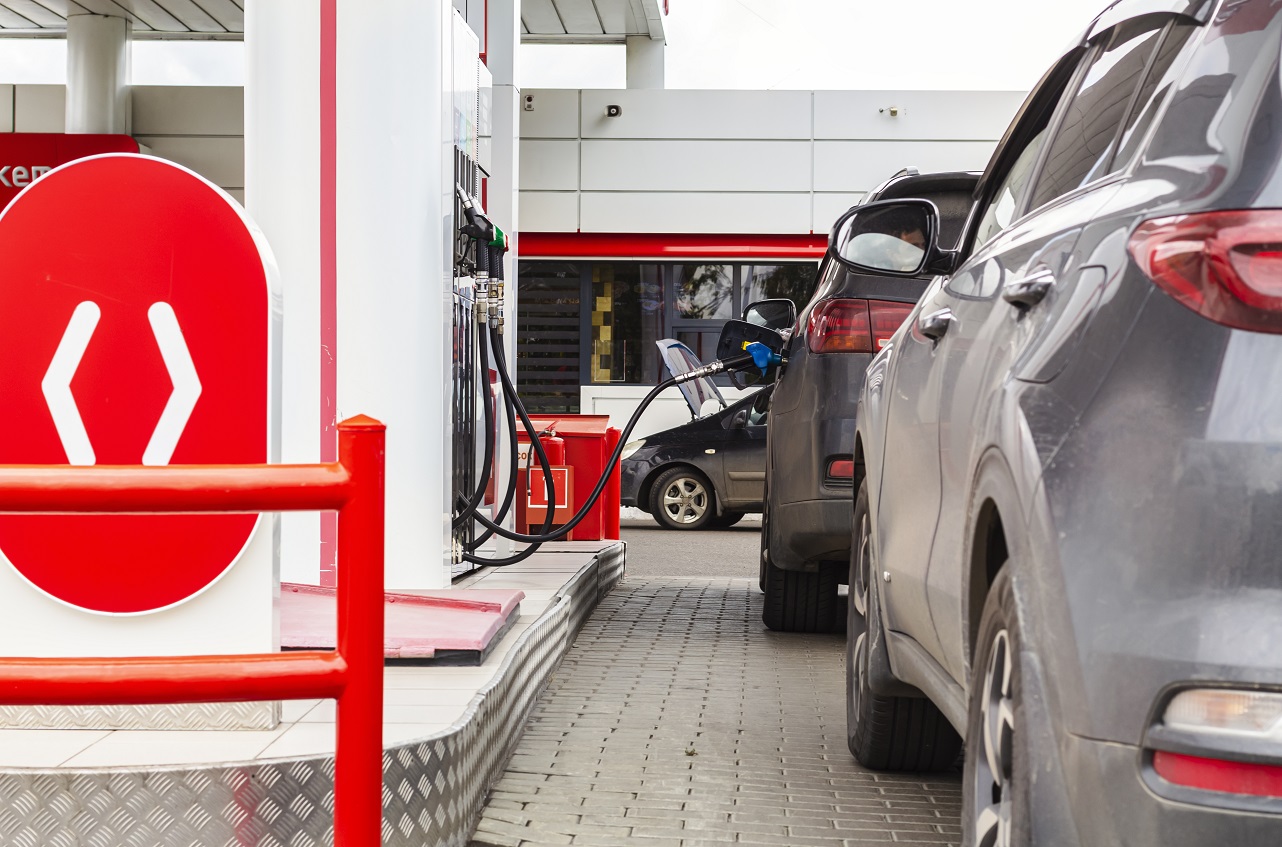
At the pump, drivers are often faced with a choice: regular or premium gas. Many assume premium fuel is automatically better for performance and engine health, but the truth is more nuanced. The real difference lies in octane ratings, which measure a fuel’s resistance to engine knocking. Most cars are engineered to run efficiently on regular gas, making premium unnecessary for the majority of drivers.
Premium gas is typically more expensive, sometimes costing 40 to 60 cents more per gallon. Unless your car’s manufacturer specifically recommends it, filling up with premium is often an unnecessary expense that provides no added benefit.
Regular gas usually has an octane rating of 87, while premium can range from 91 to 94. Higher octane prevents knocking in engines designed for high compression, but offers no advantage to vehicles built for standard fuel.
When Premium is Required — Some luxury or performance cars with turbocharged or high-compression engines require premium fuel. Using regular gas in these engines can lead to reduced performance, lower fuel economy, or even long-term engine damage.
When Regular is Sufficient — For the majority of cars on the road, regular gas delivers the same performance and efficiency as premium. Most manufacturers clearly state the recommended fuel in the owner’s manual, and following those guidelines is the best way to avoid unnecessary spending.
Premium gas is not inherently cleaner or better at keeping engines free of deposits. Both regular and premium fuels in the United States are required to contain detergents that protect your engine.
Impact on Fuel Economy — Studies show that using premium gas in vehicles designed for regular does not significantly improve fuel economy. Any small differences are unlikely to outweigh the higher cost per gallon.
Cost Considerations — For drivers who fill up frequently, the cost difference between premium and regular can add up to hundreds of dollars each year. Choosing the right fuel for your car is one of the simplest ways to keep fuel expenses manageable.
Manufacturer Knows Best — Always follow the recommendations outlined in your vehicle’s owner manual. If it says regular fuel is fine, premium will not improve performance or longevity. If premium is required, then it is worth the cost to protect your engine.
Premium gas has its place, but for most drivers it is an unnecessary expense. Choosing the right fuel based on your car’s design ensures reliable performance while helping you save money at the pump.
Looking to build your career with Gas Discounts? Share your CV with us at
careers@gasdiscounts.com and explore exciting opportunities.